Purchasing a car is a major investment, and keeping the exterior of your car looking nice is more than just washing it once in a while. Indian roads are full of loose gravel, construction dust, crowded parking spots, harsh sunlight, and unpredictable weather. Even the most careful of drivers can pick up stone chips or scratches to their bonnet and bumper. This has caused many car owners to begin considering paint protection film as a possibility.
However, choosing the best PPF brand in India is not all about choosing the costliest product or the one that has the most aggressive ad. The choice depends on things like the quality of the film, warranty coverage, installation standards, and the type of protection your vehicle actually needs.
1. Know the film quality
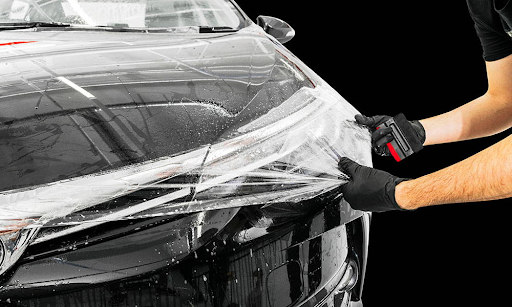
Compare brands but know what you are buying. Paint protection film (PPF) is a clear coating applied on car paint. Most luxury films are made of thermoplastic polyurethane (TPU), a pliable material that absorbs minor impacts and resists daily wear and tear.
Not every film is doing well. Material quality, top coat technology, clarity, flexibility, and yellowing resistance all contribute. Beware of “premium quality” and “long-lasting protection” claims. Request product specs from the installer.
A good brand has to have product reporting and film protection.
2. Look for yellowing and stain resistance
Indian weather can be harsh on car exteriors. Lower-quality films can be damaged by long-term exposure to sun, pollution, road grime, and organic contaminants.
If you’re comparing options, ask for data on UV, color stability, and stain resistance. A good film should look the same when used and cared for as directed by the manufacturer.
Ask about testing of the product under your application conditions and ask about warranty. Read warranties carefully, as they may distinguish between yellowing, staining, peeling, and cracking.
3. Look for self-healing technology
Modern PPF products have a self-healing top coat that at certain temperatures can repair minor surface blemishes. This can help with light vehicle scuffs but not for everyday usage.
The film is self-healing but not scratch resistant. As a rule, this technology does not apply to deep cuts, punctures, and damage to paintwork. Product performance is also inconsistent.
Worried about self-healing? Ask the installer how it works and whether it is supported by the manufacturer. Understanding the limitations of the feature will help you better manage expectations.
4. Don’t just look at the length of the warranty
Long warranties sound great, but the devil is in the details, not the brochure years. Two brands with the same coverage may offer different defect protection.
Look for any coverage of materials and workmanship that might void the warranty. Ask who does the claims and if the warranty is transferable when the vehicle is sold.
Ask for the invoice, the specifications of the product, and the warranty after installation. Keeping these records makes claims and servicing easier.
5. Experienced Installer
Even the best paint protection film can look bad if it’s poorly installed. The appearance and durability can be affected by dust under the film, stretch marks, rough edges, and corner lifting.
Get a good installer for your vehicle. See completed jobs, especially on tricky spots like bumpers, mirrors, door handles, and curved body panels.
Also, surface prep matters. Clean and correct paint before applying film. A good installer should also give you instructions for after care and curing times.
6. Coverage and Cost Comparison
PPF costs depend on the size of the vehicle, the type of film, the surface condition, the installation difficulty, and the coverage. The owners can only protect the front bumper, the bonnet, and the side mirrors. Some like full body protection for consistency.
Partial coverage may be better for cars mostly used in the city. Highway drivers can opt for wider coverage in areas where flying stones and road debris can be a hazard.
Compare coverage and film specs when shopping for quotes. A cheaper package could be a different product or missing panels from another quote.
7. Select Your Brand
Not always the most expensive or impressive marketing campaign is best. Consider how much you drive, where you park, how long you plan to keep the car, and your exterior protection budget.
Ask questions, read technical information, and don’t just consider discounts. A transparent supplier should describe the product’s strengths and weaknesses without promising to prevent all damage.
Make a Smart Decision
“Think beyond the label to get the best PPF brand in India.” The result stems from film quality, proven performance, clear warranty terms, professional installation, and proper coverage.
For car owners looking to protect their vehicle’s paintwork, comparing these factors can help prevent problems later on. Pick a product that suits your driving conditions and budget—and combine that with proper installation and maintenance. That’s a more reliable way to protect your car’s appearance over time.