
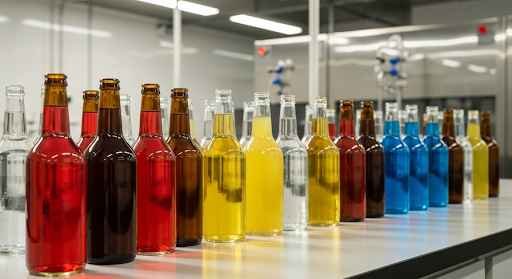
Bringing a new drink to market involves far more than mixing ingredients and choosing a label. The process requires food science knowledge, regulatory awareness, and manufacturing experience. That is why many brands turn to beverage development consultants early in the product lifecycle to guide decisions that affect quality, cost, and shelf viability.
The Core Role of a Beverage Development Consultant
A beverage development consultant bridges the gap between a product idea and a commercially viable drink. They apply food science principles to formulation, stability testing, and ingredient sourcing. Their work reduces the trial-and-error that can slow down a brand’s path to launch.
Consultants typically work with startups, established food companies, and private label brands. Each engagement varies, but the underlying goal is the same — creating a product that performs consistently at scale.
Key Areas of Expertise
Beverage development consultants cover a wide range of technical and strategic functions. Some of the most common areas include:
- Formula development — Building recipes that meet taste, texture, and nutritional targets
- Stability and shelf-life testing — Determining how a product holds up over time under different storage conditions
- Ingredient sourcing — Identifying suppliers that meet quality, cost, and regulatory standards
- Regulatory compliance — Ensuring label claims, ingredient lists, and nutrition panels meet FDA or applicable guidelines
- Scale-up support — Translating a small-batch formula into a production-ready process
- Co-manufacturer selection — Helping brands find and vet production partners
Each of these functions requires specialized knowledge that most early-stage brands do not have in-house.
Why Formulation Science Matters in Beverages
Beverages present unique technical challenges compared to solid food products. Water activity, pH levels, and microbial stability all interact in ways that affect safety and shelf life. A formula that tastes great in a kitchen may behave very differently inside a commercial pasteurizer or aseptic filling line.
Consultants with food science backgrounds understand these variables. They can anticipate problems before they become expensive production failures. This kind of technical foresight is one of the clearest advantages of working with a qualified consultant rather than relying solely on a co-manufacturer’s internal team.
When Should a Brand Hire a Beverage Consultant?
Timing matters. Bringing in a consultant too late — after a formula is locked or a co-manufacturer is already selected — limits the value they can provide. The most productive engagements typically begin at the concept or early development stage.
Some situations where a consultant adds clear value:
- A brand has a concept but no internal food scientist
- A product is failing stability or sensory evaluations
- A formula needs to be reformulated to reduce cost without sacrificing quality
- A company is entering a new beverage category with unfamiliar technical requirements
How Consultants Differ from In-House Teams
Hiring a full-time food scientist is not always practical, especially for smaller brands or single-product launches. Consultants offer access to specialized expertise on a project basis. This structure allows brands to manage costs while still getting the technical depth the project requires.
Consultants also bring cross-category experience. Having worked across multiple beverage types and production environments, they often spot issues and opportunities that a narrowly focused in-house team might miss.
Conclusion
Understanding what beverage development consultants do helps brands make smarter decisions about when and how to bring them in. Their value lies in applied food science, practical manufacturing knowledge, and the ability to move a product from idea to shelf with fewer costly detours. For brands serious about product quality and launch readiness, consulting expertise is a practical resource worth considering early in the process.