
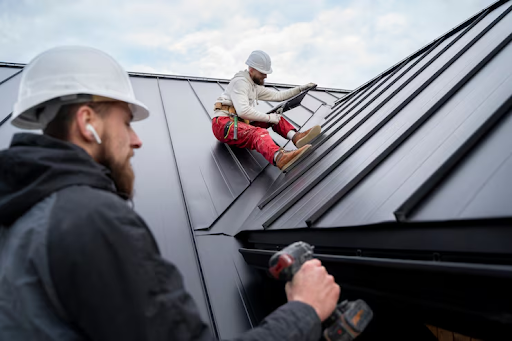
Commercial roofing north carolina services protect business properties through expert installation, maintenance, and repairs specifically addressing commercial requirements. Commercial roofing presents distinct challenges—large-scale systems, complex drainage, extended lifespan requirements—demanding specialized expertise. Understanding commercial roofing characteristics, maintenance approaches, and contractor selection criteria helps business owners protect valuable property assets.
Commercial vs. Residential Roofing Differences
Scale and Complexity
Commercial roofing systems cover substantially larger areas than residential roofs, requiring sophisticated planning, equipment, and execution. System complexity—multiple HVAC units, equipment penetrations, sophisticated drainage—demands expertise beyond residential scope.
Material and Performance Requirements
Commercial systems emphasize longevity, reliability, and low-maintenance operation. Materials suited for residential applications may prove inadequate for commercial demands.
Building Code Compliance
Commercial projects must meet stringent building codes—fire ratings, wind resistance classifications, accessibility standards. Compliance requires specialized knowledge.
Commercial Roofing Systems
Flat Membrane Systems
Most commercial properties feature flat or low-slope roofs using single-ply membranes (TPO, EPDM, PVC) providing waterproofing protection. These systems offer longevity (20-30+ years) and accommodate roof-mounted equipment.
Built-Up Roofing
Traditional built-up systems layer bitumen and aggregate creating proven weather protection. While time-tested, BUR typically has shorter lifespan (15-20 years) compared to membrane systems.
Metal Commercial Roofing
Metal roofing offers superior durability (40+ years), excellent wind resistance, and energy efficiency. Higher initial costs offset through extended lifespan and maintenance reduction.
Commercial Roof Maintenance Importance
Preventative Maintenance Programs
Regular professional maintenance prevents expensive failures. Planned maintenance programs include:
- Scheduled inspections
- Membrane testing
- Equipment assessment
- Potential issue identification
- Preventative repairs
These programs extend system lifespan while preventing business disruptions.
Emergency Repair Services
Roof failures disrupt business operations. Professional contractors providing emergency services address urgent situations rapidly, minimizing operational impact.
Planned Replacement Programs
Understanding roof age and condition enables planned replacement before unexpected failures occur. Planned replacement prevents emergency situations while enabling budget preparation.
Commercial Roofing Services
New Installation
New construction commercial roofing requires coordination with general contractors, code compliance assurance, and appropriate material selection. Professional installation ensures system longevity.
Expansion and Upgrade
Business growth sometimes requires roofing modifications—equipment additions, facility expansion. Professional contractors manage modifications maintaining system integrity.
Repair and Restoration
Localized damage—punctures, membrane degradation, flashing issues—requires professional repair. Timely repair prevents water intrusion causing interior damage.
Drainage and Ponding Prevention
Proper drainage represents critical system component. Standing water accelerates deterioration and creates safety hazards. Professional systems ensure:
- Adequate slope (minimum 2%)
- Regular drain maintenance
- Debris removal
- Proper water evacuation
Equipment Integration and Management
Commercial roofs frequently support HVAC units, antennas, solar panels, or other equipment. Proper installation requires:
- Structural support assessment
- Proper penetration waterproofing
- Equipment coordination
- Regular maintenance protocols
Selecting Commercial Roofing Contractors
Commercial Specialization
Select contractors with substantial commercial experience. Commercial expertise differs from residential knowledge—contractors should demonstrate commercial project portfolios.
Large-Project Management Capability
Commercial projects require sophisticated project management—crew coordination, timeline adherence, minimized business disruption. Contractors should demonstrate large-project experience.
Emergency Response Availability
Commercial operations sometimes create emergency needs. Contractors should provide 24/7 emergency availability.
References and Track Record
Request references from commercial clients. Discuss past project quality, timeline adherence, and professional conduct.
North Carolina-Specific Considerations
Regional weather patterns—thunderstorms, occasional ice storms, temperature variations—demand climate-appropriate solutions. Local contractors understand regional conditions and appropriate system design.
Cost and Budget Considerations
Lifecycle Cost Analysis
While initial costs matter, lifecycle costs prove more significant. More expensive durable materials sometimes reduce total 30-year ownership costs compared to cheaper short-lived alternatives.
Budget Planning
Understanding typical timelines and costs enables appropriate budget planning. Professional contractors provide transparent estimates facilitating budget preparation.
Conclusion
Professional commercial roofing North Carolina services protect business properties through expert installation, planned maintenance, and skilled repairs. Understanding commercial requirements, selecting experienced contractors, and implementing preventative maintenance ensures roof systems protect properties reliably while minimizing business disruptions.