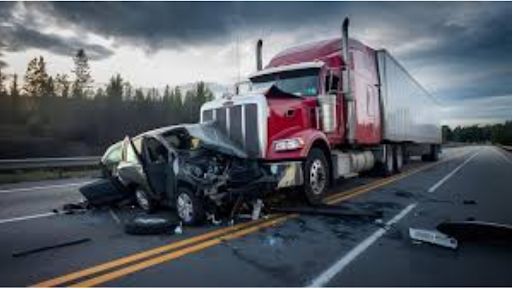
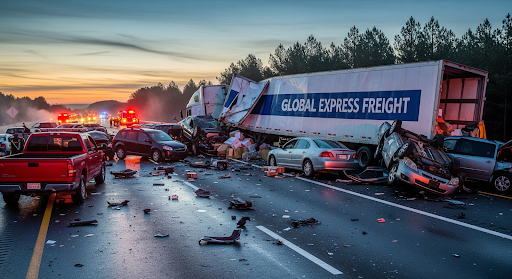
Understanding why large trucks are involved in so many highway crashes starts with looking at how they operate, the conditions they face, and the risks that come with moving massive loads across long distances. Trucking keeps the economy moving, but the nature of these vehicles also increases the chances of serious collisions. When you look closely at the causes of truck accidents, you start to see patterns that help explain the high numbers and the severity of the outcomes.
How Truck Size and Weight Affect Crash Risk
Large trucks behave very differently from smaller vehicles. Their sheer size and weight change how they accelerate, turn, and stop, and these differences play a major role in crash statistics.
Longer Stopping Distances
A loaded truck requires a much greater distance to stop than a standard passenger car. When traffic suddenly slows down, this increased stopping distance becomes one of the common causes of truck accidents on busy highways.
Wider Turning Radius
Because trucks need more room to turn, especially in tight interchanges or highway exits, there is a higher chance of side-swipes or vehicles getting caught in blind spots.
Limited Visibility
Truck drivers rely heavily on mirrors, but even with advanced technology, blind spots remain a significant factor. Vehicles traveling too closely or lingering alongside a truck are often unseen, contributing to many collisions.
Why Road Conditions Increase Truck Crash Rates
Highways are designed for speed, which means any issue on the road can quickly turn into a dangerous situation for a heavy vehicle.
Construction Zones
Narrow lanes, sudden merges, and uneven surfaces make construction areas hazardous for large trucks. These spots often rank high as locations where crashes happen.
Weather and Visibility
Rain, fog, and nighttime driving limit visibility. Since trucks take longer to respond and stop, poor weather amplifies the risks and becomes one of the major causes of truck accidents during long-haul routes.
Road Surface Problems
Potholes, debris, and worn pavement affect trucks more severely than smaller cars. A single tire blowout on a fully loaded truck can lead to loss of control within seconds.
How Driver Fatigue Plays a Major Role
Long hours on the road are part of the job, but fatigue reduces reaction times and increases the chances of errors.
Long Work Hours
Even with federal regulations in place, many truck drivers spend extended periods behind the wheel. Fatigue builds up, leading to slower reflexes and poor decision-making.
Tight Delivery Schedules
Pressure to meet deadlines encourages drivers to push through exhaustion. This makes fatigue one of the most common causes of truck accidents on highways during overnight and early morning hours.
Irregular Sleep Schedules
Changing shifts, inconsistent rest breaks, and overnight routes disrupt sleep patterns. Fatigue becomes harder to manage, increasing the risk of crashes.
How Mechanical Issues Contribute to Crashes
Trucks operate under heavy strain, so proper maintenance is critical. When something goes wrong, the consequences can be severe.
Brake Failures
Brake systems on large trucks handle enormous pressure. A failure can quickly lead to rear-end collisions, especially in traffic congestion.
Tire Problems
Worn or underinflated tires increase the likelihood of blowouts. Since trucks rely on tire stability for balance, a sudden failure can cause rollovers or lane departures.
Equipment Malfunctions
Lights, coupling devices, and steering components must be in top condition. Even a small malfunction can escalate into a major crash at highway speeds.
How Human Behavior Contributes to Truck-Related Crashes
Truck drivers are not the only ones responsible for highway safety. Passenger vehicle drivers share the road and often act in ways that unintentionally increase risks.
Driving Too Closely
Following a truck too closely gives drivers little time to react to sudden stops or turns. Tailgating in a truck’s blind spot is a well-known factor in many collisions.
Cutting Off Trucks
Many drivers underestimate how long it takes a truck to slow down. Abrupt lane changes or cutting too closely in front of a truck can lead to severe rear-end crashes.
Distracted Driving
Mobile phone use, multitasking, or failing to pay attention creates conditions where smaller vehicles put themselves directly in danger.
What Could Improve Safety on Highways?
Reducing the causes of truck accidents requires solutions that address both vehicle mechanics and human behavior.
Better Roadway Design
Improvements in ramps, lane widths, and highway lighting can give trucks more room and visibility to navigate safely.
Increased Enforcement
Regular inspections, weight checks, and stricter monitoring of driver hours can help reduce common causes of truck accidents linked to fatigue and mechanical issues.
Public Awareness
Drivers need more education about how to safely share the road with large commercial trucks. Understanding blind spots, braking distances, and safe passing techniques can prevent countless accidents.
Final Thoughts
Large trucks are essential for moving goods across the country, but their size, weight, and operating conditions create unique challenges on the highway. When you consider the combination of road conditions, driver fatigue, mechanical issues, and risky driving behaviors, it becomes clear why so many crashes involve these vehicles. By understanding the most common causes of truck accidents, drivers, lawmakers, and transportation companies can work together to make highways safer for everyone.