
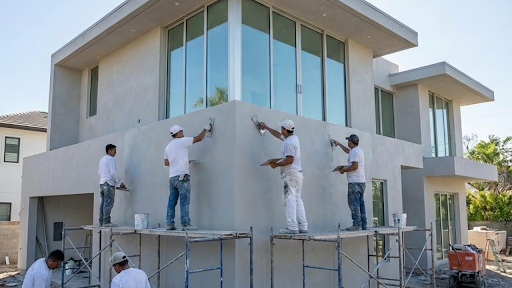
When choosing an exterior finish for a new construction or a renovation project, stucco stands out as a superior option. Offering a blend of durability, energy efficiency, and design versatility, a stucco wall installation is a smart investment for Florida properties. This guide delves into the benefits of stucco, the installation process, and why hiring professional services ensures a long-lasting, high-quality result.
The Benefits of Choosing Stucco
Stucco has been used for centuries, but modern applications have made it even more effective for contemporary buildings.
Durability and Weather Resistance
Stucco is incredibly hard and resistant to the elements. It can withstand the intense Florida sun, heavy rains, and high winds better than many other siding materials. It is also fire-resistant and impervious to rot and termite damage, making it a low-maintenance choice for the long haul.
Energy Efficiency
A major advantage of stucco is its insulative properties. The layers of solid material create a thermal mass that helps regulate indoor temperatures, keeping homes cooler in the summer and warmer in the winter. This can lead to significant savings on energy bills.
Aesthetic Versatility
Stucco offers endless design possibilities. It can be applied in a variety of textures, from smooth and modern to rough and rustic. Pigments can be added directly to the mix, or the finished wall can be painted in any color, allowing for complete customization to match any architectural style.
The Professional Installation Process
A successful stucco wall installation relies on a strict adherence to industry standards and building codes. It is a multi-layered process that requires skill and precision.
The Substrate and Waterproofing
The foundation of a good stucco wall is the weather-resistive barrier (WRB). This layer protects the wood framing from moisture. Over this, a metal lath or wire mesh is installed to provide mechanical reinforcement and a grip for the mortar.
The Three-Coat System
Traditional hard-coat stucco is typically applied in three coats:
- Scratch Coat: The first layer is embedded into the metal lath and horizontally scored (scratched) to provide a key for the next coat.
- Brown Coat: This second layer levels the surface and adds thickness and strength. It serves as the base for the final finish.
- Finish Coat: The top layer provides the texture and color. This is where the artistry of the installer comes into play to achieve the desired look.
Modern Stucco Systems (EIFS)
Exterior Insulation and Finish Systems (EIFS) are synthetic stucco systems that include a foam insulation board for enhanced energy efficiency. While different from traditional stucco, they offer similar aesthetic benefits and superior thermal performance.
Why Expertise Matters in Stucco Wall Installation Services
Stucco installation is not a DIY-friendly project. It requires specific tools, knowledge of mixing ratios, and physical skill.
Ensuring Proper Curing
Stucco needs to cure slowly to reach its full strength. Professionals know how to keep the walls moist during the curing process to prevent cracking. Improper curing is a leading cause of premature stucco failure.
Crack Prevention Strategies
Experienced installers strategically place expansion and control joints to allow for the natural movement of the building. These joints prevent stress cracks from forming as the structure settles or expands and contracts with temperature changes.
Conclusion
A professional stucco wall installation adds value, beauty, and protection to any property. Its robust nature and energy-saving benefits make it an ideal choice for the demanding Florida climate. By partnering with expert stucco wall installation services, you ensure that your exterior is built to last, providing a stunning facade that withstands the test of time and elements.