
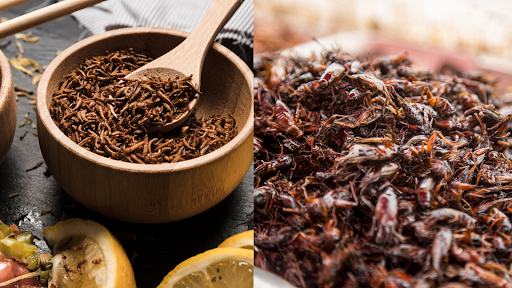
As we look for more sustainable and nutritious alternatives to traditional foods, edible insects are gaining popularity—and for good reason! Crickets and mealworms are two of the most commonly consumed insects worldwide.
Packed with protein, healthy fats, vitamins, and minerals, these insects are a powerful addition to any diet.
Let’s dive into why these insects are considered the healthiest and most eco-friendly choices.
Why Crickets And Mealworms Are Eco-Friendly Snacks
Crickets and mealworms stand out for their low environmental impact:
- Environmental Impact: These insects require fewer resources compared to traditional livestock.
- Water Usage: Insect farming uses a fraction of the water required for meat production.
- Space Requirement: Crickets and mealworms thrive in compact spaces, reducing land strain.
- Greenhouse Gas Emissions: Their production generates fewer greenhouse gases than livestock.
- Feed Efficiency: Insects convert feed into body mass more efficiently than livestock.
- Land Use: Farming insects helps preserve natural habitats and reduces deforestation.
Nutritional Benefits: The Cricket vs. Mealworm Showdown
Both crickets and mealworms are nutrient-dense, offering a great source of protein, vitamins, and minerals. Let’s compare crickets and mealworms in terms of their nutritional profile:
Protein Content
- Crickets: Contain 60-70% protein by dry weight, making them an excellent protein source.
- Mealworms: Offer about 50% protein, providing a solid alternative to meat.
Vitamins & Minerals
- Crickets: High in B12, iron, calcium, and magnesium.
- Mealworms: Rich in iron, zinc, and B12.
Healthy Fats
- Both insects contain omega-3 fatty acids, supporting heart health and reducing inflammation.
Fiber Content
- Crickets: High in chitin, a fiber that promotes gut health.
- Mealworms: Provide fiber to aid digestion.
Low in Carbs
- Both crickets and mealworms are low in carbs, perfect for low-carb or keto diets.
Health Benefits Of Crickets And Mealworms
In addition to being packed with essential nutrients, crickets and mealworms offer various health benefits that make them stand out from other protein sources.
- Improve Digestive Health: The fiber content in both crickets and mealworms promotes a healthy gut.
- Boost Immunity: The vitamins and minerals found in crickets and mealworms, like zinc and vitamin B12, help boost your immune system, keeping you strong and healthy.
- Better Heart Health: Omega-3 fatty acids, found in both crickets and mealworms, are known for their ability to lower cholesterol levels and reduce inflammation.
- Weight Management: With their low-fat, high-protein, and fiber content, crickets and mealworms can help with weight management by keeping you feeling full longer.
- Solid Energy: Thanks to the rich content of B vitamins and iron, both crickets and mealworms provide a steady source of energy.
How To Incorporate Crickets And Mealworms Into Your Diet
Adding crickets and mealworms to your diet is easier than you might think. Here are a few ways to incorporate them:
- Cricket Powder: Add to smoothies, protein bars, and baked goods.
- Roasted Mealworms: Enjoy them as a crunchy snack or add to salads and soups.
- Insect Protein Bars: A convenient, on-the-go option for a protein-packed snack.
If you’re looking to buy these nutritious insects, many suppliers offer edible insects online, making it easy to try them out from the comfort of your home.
Conclusion: The Future Of Healthy, Sustainable Eating
Crickets and mealworms are two of the healthiest edible insects you can include in your diet. A nutrient-dense snack, these insects are an excellent addition to a modern, sustainable lifestyle.
So, whether you’re looking to try something new, crickets and mealworms are the way to go.
Frequently Asked Questions:
Q: Are crickets and mealworms safe to eat?
A: Yes! Crickets and mealworms are entirely safe to eat when sourced from a reputable supplier. They’re packed with nutrients and are a popular food source in many cultures worldwide.
Q: Can I eat crickets and mealworms if I have allergies?
A: If you have shellfish allergies, you should exercise caution, as insects like crickets and mealworms contain similar proteins to shellfish.