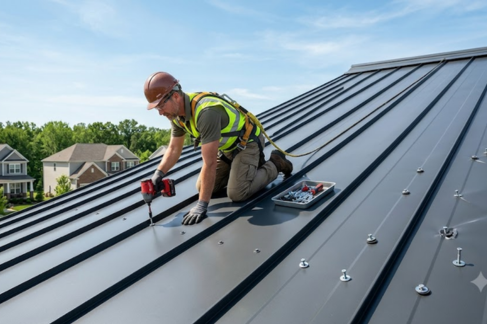
Installing a metal roof is an excellent investment for homeowners and commercial property owners seeking durability, energy efficiency, and long-lasting protection. However, even the highest-quality metal roofing panels can fail prematurely if they are not fastened correctly. One of the most common causes of leaks and structural problems in metal roofs is improper screw installation.
Understanding how many screws for metal roofing are needed, following the correct metal roof screw spacing, and using the appropriate metal roof screw pattern are essential for ensuring your roof performs as intended.
Whether you’re a homeowner planning a DIY project or simply looking to understand the installation process, here are the most common mistakes to avoid when installing metal roofing screws.
Using the Wrong Type of Roofing Screws
Not all screws are designed for metal roofing applications. Standard wood screws or generic fasteners may lack the weather-resistant properties needed for long-term performance.
Professional metal roofing screws typically feature:
- Corrosion-resistant coatings
- Self-drilling tips
- Rubber or neoprene washers
- High-strength steel construction
Using the wrong fasteners can lead to rust, water penetration, and premature roof failure.
Always use manufacturer-approved screws that are specifically designed for your type of metal roofing system.
Incorrect Metal Roof Screw Spacing
One of the most frequent installation mistakes involves improper metal roof screw spacing. Screws placed too far apart may leave panels vulnerable to wind uplift, while placing them too close together can cause unnecessary stress on the panels.
Proper spacing helps:
- Secure panels against high winds
- Maintain structural stability
- Prevent panel movement
- Reduce the risk of leaks
The exact spacing requirements vary depending on:
- Panel design
- Roof pitch
- Wind zone
- Local building codes
- Manufacturer recommendations
Ignoring these factors can significantly reduce the lifespan of the roofing system.
Failing to Follow the Correct Metal Roof Screw Pattern
The metal roof screw pattern plays a major role in ensuring even load distribution across the roof surface. Improper screw placement can cause panels to shift, buckle, or loosen over time.
A proper screw pattern helps:
- Prevent panel distortion
- Improve weather resistance
- Maintain structural integrity
- Increase the roof’s lifespan
Many DIY installers make the mistake of placing screws randomly rather than following the pattern recommended by the manufacturer.
Consistent placement creates a stronger and more durable roofing system.
Using Too Few Screws
Many homeowners wonder how many screws for metal roofing are actually needed. Trying to save money by using fewer fasteners than recommended is a costly mistake.
Insufficient screws can result in:
- Loose panels
- Wind damage
- Panel vibration
- Leaks
- Premature system failure
The number of screws required depends on several factors, including:
- Roof size
- Panel width
- Panel profile
- Wind exposure
- Roof slope
Professional installers carefully calculate the required number of fasteners to ensure optimal performance.
Overdriving the Screws
Overdriving is one of the most common installation errors in metal roofing.
When screws are tightened excessively:
- Rubber washers become crushed
- Metal panels may deform
- Water-tight seals can fail
- Leaks become more likely
A properly installed screw should compress the washer enough to create a seal without distorting it.
Using screw guns with adjustable torque settings can help achieve the proper tightness.
Underdriving the Screws
While overtightening is problematic, underdriving screws can also create issues.
Loose screws leave gaps that allow water and air to enter beneath the panels. Over time, vibration and thermal movement may cause these screws to back out entirely.
Signs of underdriven screws include:
- Visible gaps beneath washers
- Loose panels
- Water infiltration
- Increased noise during windy conditions
Proper screw installation requires achieving the ideal balance between too tight and too loose.
Placing Screws in the Wrong Location
Different panel systems have different fastening requirements. One common mistake is installing screws in incorrect locations on the panel.
Depending on the roofing profile, screws may be installed:
- In the flat portion of the panel
- Along the ribs
- At panel overlaps
Improper placement can weaken panel connections and increase the risk of leaks.
Always follow manufacturer guidelines for proper fastener placement.
Ignoring Thermal Expansion and Contraction
Metal roofs naturally expand and contract as temperatures change. Failing to account for this movement can create stress on the panels and fasteners.
Improper screw placement may lead to:
- Warped panels
- Loose fasteners
- Oil canning
- Premature wear
Correct screw spacing and pattern help accommodate thermal movement while maintaining structural integrity.
Experienced installers understand how temperature fluctuations affect metal roofing systems and plan accordingly.
Reusing Old Screws
During repairs or panel replacement, some homeowners attempt to reuse existing screws. This practice can compromise the performance of the roof.
Old screws may have:
- Damaged threads
- Worn washers
- Corrosion
- Reduced holding power
Using new fasteners ensures a secure and weather-tight installation.
Considering the relatively low cost of screws compared to the overall roofing system, replacing old fasteners is always the better option.
Ignoring Manufacturer Recommendations
Every metal roofing system is designed with specific installation requirements. Ignoring the manufacturer’s instructions can lead to performance issues and even void warranty coverage.
Manufacturers provide guidelines regarding:
- Metal roof screw spacing
- Metal roof screw pattern
- Screw type
- Fastener length
- Panel overlap requirements
Following these recommendations helps maximize the lifespan and performance of the roof.
Not Accounting for Local Weather Conditions
Environmental factors significantly affect roofing performance. Areas that experience high winds, snow loads, or severe storms may require additional fasteners or modified spacing patterns.
Climate-related considerations include:
High-Wind Regions
Additional screws may be required to resist wind uplift.
Snow-Prone Areas
Proper fastening helps support increased weight loads.
Coastal Environments
Corrosion-resistant screws are essential to withstand salt exposure.
Adjusting the installation based on local conditions helps ensure long-term durability.
Skipping Regular Inspections
Even properly installed screws require periodic inspections. Over time, weather exposure can cause fasteners to loosen or deteriorate.
Routine inspections help identify:
- Loose screws
- Damaged washers
- Corrosion
- Minor leaks
- Panel movement
Early maintenance can prevent more extensive repairs and extend the life of the roofing system.
Why Professional Installation Matters
Metal roofing installation requires precision and experience. Small mistakes in screw placement or spacing can result in expensive repairs later.
Professional roofing contractors understand:
- How many screws for metal roofing are required
- Proper screw spacing
- Correct screw pattern
- Local building codes
- Manufacturer installation specifications
Their expertise helps ensure the roof performs efficiently for decades.
Final Thoughts
Metal roofs are known for their strength, energy efficiency, and impressive lifespan, but proper screw installation is critical to achieving these benefits. Mistakes such as incorrect screw spacing, poor screw patterns, overdriving fasteners, or using the wrong screws can lead to leaks, structural issues, and costly repairs.
By understanding these common mistakes and following manufacturer recommendations, homeowners can protect their investment and enjoy a durable roofing system that lasts for many years. Whether you’re tackling a DIY project or hiring a contractor, paying close attention to screw installation details can make all the difference in the long-term success of your metal roof. If you are looking for a roofing specialist, you can rely on Statewide Roofing Specialist. For more information, visit the site.