
Dental implants have become one of the most reliable and long-lasting solutions for replacing missing teeth. In Coventry and across the UK, more patients are choosing implants because they look, feel, and function like natural teeth. However, one of the most common questions patients ask is: how long do tooth dental implants actually last?
The answer depends on several factors, including oral hygiene, lifestyle habits, bone health, and regular dental care. While dental implants are designed to be permanent, their lifespan can vary from patient to patient.
What Are Dental Implants Made Of?
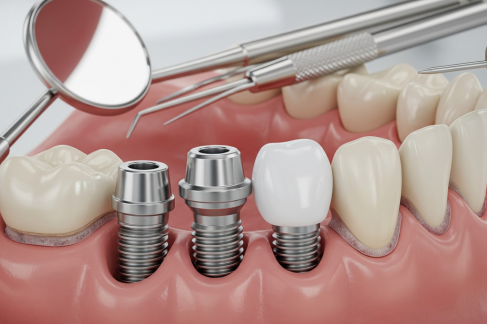
To understand how long dental implants last, it is important to know their structure. A dental implant typically consists of three parts:
- Implant post: A titanium screw placed into the jawbone
- Abutment: A connector that supports the crown
- Crown: The visible artificial tooth
The titanium implant post is highly durable and biocompatible, meaning it integrates with the jawbone through a process called osseointegration. This strong bond is what makes dental implants such a long-term solution for missing teeth.
Average Lifespan of Dental Implants
On average, the implant post itself can last 20 years or more, and in many cases, it lasts a lifetime with proper care. The crown attached to the implant, however, may need replacement after 10 to 15 years due to normal wear and tear.
In Coventry dental clinics, many patients enjoy decades of successful use from their implants, especially when they maintain good oral hygiene and attend regular dental check-ups.
It is important to understand that while implants are highly durable, they are not completely maintenance-free.
Factors That Affect Dental Implant Lifespan
Several factors influence how long dental implants last. These include:
1. Oral Hygiene Habits
Good oral hygiene is essential for implant success. Plaque buildup around the implant can lead to gum inflammation and peri-implantitis, which may compromise the implant’s stability.
2. Smoking and Lifestyle Choices
Smoking significantly reduces the lifespan of dental implants. It restricts blood flow to the gums and slows healing, increasing the risk of implant failure. Excessive alcohol consumption can also negatively affect oral health.
3. Bone Health and Density
Dental implants rely on strong jawbone support. Patients with sufficient bone density tend to have longer-lasting implants. In some cases, bone grafting may be required before implant placement.
4. Regular Dental Visits
Routine check-ups with a dentist in Coventry help monitor the health of your implants and surrounding tissues. Early detection of issues can prevent long-term complications.
5. Teeth Grinding (Bruxism)
Patients who grind or clench their teeth may put excessive pressure on implants, leading to wear or damage over time. A night guard may be recommended to protect the implant.
How to Care for Dental Implants Properly
Proper care plays a crucial role in extending the lifespan of dental implants. Although implants are not susceptible to decay like natural teeth, the surrounding gums and bone still require attention.
Maintain Excellent Oral Hygiene
Brush your teeth at least twice a day using a soft-bristled toothbrush. Flossing is equally important to remove plaque around the implant area. Special interdental brushes may also be recommended by your dentist.
Use Non-Abrasive Dental Products
Avoid harsh toothpaste or abrasive cleaning tools that can damage the implant crown. A gentle fluoride toothpaste is usually recommended.
Attend Regular Dental Check-Ups
Visiting your dentist every six months allows for professional cleaning and monitoring of your implant’s condition. In Coventry, many private dental clinics offer tailored implant maintenance plans.
Avoid Hard or Sticky Foods
Chewing very hard foods like ice or hard sweets can damage the implant crown. Sticky foods may also increase the risk of plaque accumulation.
Quit Smoking
Stopping smoking is one of the most effective ways to improve implant longevity. It enhances gum health and reduces the risk of implant failure.
Signs of Potential Implant Problems
Although dental implants are highly successful, it is important to watch for warning signs that may indicate complications:
- Persistent gum inflammation or bleeding
- Pain or discomfort around the implant area
- Loosening of the implant crown
- Difficulty chewing or biting
- Swelling around the gums
If you notice any of these symptoms, it is important to consult a dentist in Coventry as soon as possible.
Professional Maintenance and Dental Support in Coventry
Many dental clinics in Coventry provide specialised implant maintenance services. These include professional cleaning, gum health assessments, and digital imaging to ensure the implant remains stable.
Regular professional care complements your at-home routine and significantly increases the lifespan of dental implants.
Conclusion: Are Dental Implants a Long-Term Solution?
Dental implants are one of the most durable and effective tooth replacement options available today. With proper care, they can last for decades and often a lifetime. While the crown may require replacement after several years, the implant itself is designed to be a permanent fixture in your mouth.
By maintaining good oral hygiene, attending regular dental visits in Coventry, and making healthy lifestyle choices, you can maximise the longevity of your dental implants and enjoy a confident, functional smile for many years.
FAQs
- How long do dental implants usually last?
Dental implants can last 20 years or more, and many last a lifetime with proper care and maintenance.
- Do dental implants need to be replaced?
The implant post usually does not need replacement, but the crown may need to be replaced after 10–15 years.
- What is the biggest cause of dental implant failure?
Poor oral hygiene and smoking are the most common causes of implant failure.
- Are dental implants permanent?
Yes, dental implants are designed to be a long-term or permanent solution for missing teeth.
- Can dental implants get cavities?
No, implants themselves cannot decay, but the surrounding gums can still develop disease if not properly cared for.
- How can I make my dental implants last longer?
Good oral hygiene, regular dental check-ups in Coventry, avoiding smoking, and protecting your teeth from grinding can significantly extend implant lifespan.