
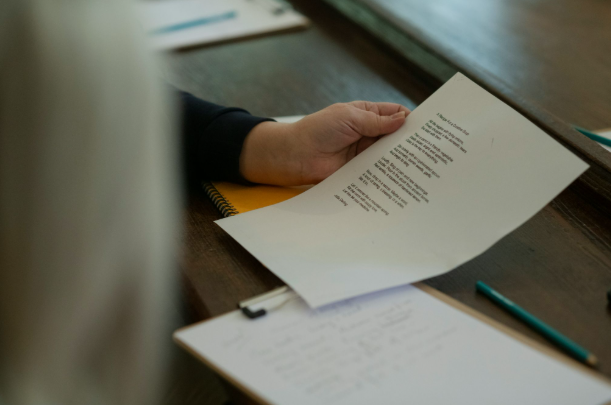
A copyright troll is a term used to describe an entity that aggressively pursues copyright infringement claims, often for relatively minor or technical violations, with the primary goal of extracting a quick settlement rather than genuinely protecting original work. These claims can feel alarming when they land in an inbox, often citing specific statutory damages figures that sound intimidating even when the underlying use might have a reasonable defense. Understanding how these claims typically work, what rights an accused party actually has, and when it’s worth pushing back rather than settling immediately helps businesses and individuals respond thoughtfully rather than out of fear.
How Copyright Troll Claims Typically Work
These claims often target website owners, small businesses, or bloggers who’ve used an image or piece of content without a proper license, frequently sourced from a stock photo or content aggregator that later gets acquired by an entity specializing in pursuing infringement claims. The demand letters that follow often cite the maximum possible statutory damages, even when actual damages would likely be far lower.
Responding to a copyright troll demand without panicking starts with verifying the actual claim, since not every demand letter accurately represents the legal exposure it implies, and some rely on the recipient’s unfamiliarity with copyright law to pressure a quick settlement.
Steps to Take When a Claim Arrives
- Verify the claimant actually holds a valid copyright registration for the work in question.
- Document when and how the content was used, and remove it promptly if there’s any doubt about licensing.
- Avoid responding directly to a demand letter without understanding your actual legal exposure.
- Consult an attorney before agreeing to any settlement, especially for a first-time claim.
When Settling Makes Sense and When It Doesn’t
Not every copyright claim is a troll tactic, and some genuinely reflect unauthorized use that carries real legal risk. That said, aggressive demand letters citing maximum statutory damages for a minor, unintentional use are often more about pressure than a realistic assessment of what a court would actually award, which is worth factoring into any decision about how to respond.
Preventing Future Claims
Using properly licensed stock imagery, keeping records of licenses and permissions, and training staff on proper sourcing practices for website and marketing content all reduce the risk of receiving one of these claims in the first place. A small upfront investment in properly licensed content is almost always cheaper than dealing with a claim after the fact.
Understanding Statutory Damages Claims
Demand letters often cite the maximum statutory damages allowed under copyright law, sometimes tens of thousands of dollars, even though actual awards at that level are relatively rare and typically reserved for willful, large-scale infringement. Recipients who don’t understand this distinction sometimes settle out of fear for far more than a court would realistically award, which is why understanding the actual legal landscape before responding matters so much.
Working With an Attorney on a Response
Even when a claim appears to be a pressure tactic rather than a genuine legal threat, having an attorney review the demand letter and draft a formal response often resolves the matter faster and more favorably than responding directly. Attorneys familiar with these tactics can often identify weaknesses in a claim that aren’t obvious to someone without a legal background.
Keeping a Level Head Throughout the Process
Demand letters are often written specifically to provoke an emotional, immediate response, but the businesses and individuals who fare best are typically those who slow down, gather the facts, and respond deliberately rather than reactively. Taking a day or two to properly evaluate a claim rarely makes the situation worse and often leads to a much better outcome.
Reviewing Your Own Website for Licensing Gaps
Beyond responding to an existing claim, it’s worth periodically auditing a website’s images and content to confirm every piece has proper licensing or falls clearly within the public domain. This kind of proactive review is a relatively small task compared with untangling a formal infringement claim after the fact.
Final Thoughts
A copyright troll claim can feel urgent and intimidating, but responding thoughtfully rather than immediately settling out of fear is usually the better approach. Verifying the underlying claim and understanding actual legal exposure before responding puts businesses in a much stronger negotiating position than reacting out of panic.