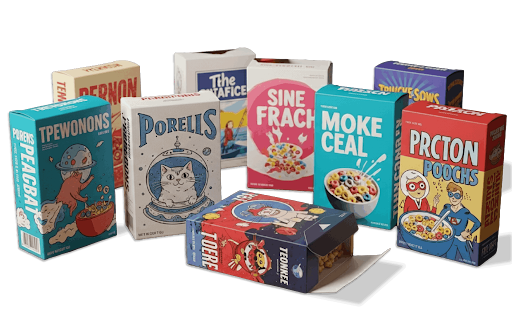
Cereal packaging does not always need bright colours or detailed artwork to make a good impression. Sometimes, a clean and simple box is a better fit for the product and the brand. It can give customers a clear view of the information they need while keeping the cereal protected during storage and delivery. Custom plain cereal boxes offer businesses a flexible packaging option that can be adjusted to different product sizes and needs. They are useful for small food brands, established manufacturers, and businesses testing a new cereal range. The choice of material, box structure, and printing still matters, even when the design is minimal. A well-made package should be easy to handle, store, and open. With a little planning, simple packaging can serve both practical and branding purposes.
Understanding Packaging Needs
Before selecting a box, a cereal business should consider the product it needs to pack. Different cereals have different shapes, textures, and weights. Flakes can break easily, while heavier granola may need a stronger outer box. The package should provide enough space for the product and its inner bag without leaving too much empty room. Businesses looking for custom plain cereal boxes in Canada should also consider how their products will be stored and transported. Packaging for supermarket shelves may have different requirements from boxes used for direct online orders. Thinking about these details early helps avoid sizing problems later. It also makes it easier to choose a design that suits the product and its selling environment.
Selecting Strong Materials
A cereal box needs to hold its shape while protecting the product inside. Paperboard is a common material because it is lightweight, easy to print, and suitable for many retail packages. The thickness should match the weight of the packed cereal. A box that is too thin may bend during handling, while an unnecessarily thick board can increase costs. Businesses comparing plain cereal boxes should also consider the inner food packaging. Cereal is often placed in a sealed bag before it goes into the outer carton. The outer box provides structure and shelf presentation, while the inner bag helps protect freshness. Both parts should work together to keep the product in good condition.
Choosing Simple Designs
A plain design can still look neat and professional. The key is to use space carefully and avoid adding details that do not serve a purpose. A business may choose a natural cardboard appearance, a single background colour, or a small printed design. Blank cereal boxes can be useful when a company wants to add its own labels or test different product ideas before choosing a final look. The front panel should leave enough room for the product name and other important details. Clear text is easier to read than decorative lettering. A simple layout can also make a product range look consistent, especially when several cereal flavours are sold under the same brand.
Planning Product Information
Food packaging needs to communicate useful information clearly. Customers often check the product name, ingredients, nutrition details, net weight, and storage instructions before making a purchase. The exact labelling rules depend on the market where the cereal is sold, so businesses should confirm the requirements before printing. Plain cereal packaging boxes can provide a clean layout that gives these details enough room. The text should be readable and placed where customers can find it easily. Avoid using very small fonts just to fit too much information on one panel. It is also wise to review every detail before approving a print run. A spelling mistake or incorrect product statement can lead to unnecessary costs and delays.
Building Brand Recognition
Simple packaging does not mean a business has to hide its identity. A small logo, a clear product name, and consistent colours can help customers recognise a cereal brand. Some businesses prefer a minimal appearance because it suits their values or product range. Custom plain cereal packaging allows them to keep the overall design simple while adding selected brand elements. The logo can appear on the front panel or near the product name. Other details, such as a website or customer contact information, can be placed on another side. The aim is to make the box recognisable without making it look crowded. A consistent approach across different cereal varieties can help customers identify the brand on a shelf.
Improving Storage Handling
Packaging should work well after it leaves the production area. Boxes may be stacked in warehouses, moved between delivery vehicles, and placed on shop shelves. Their shape and strength can affect how easily staff handle them. Plain cardboard cereal boxes are useful for many retail applications because they are light and can be supplied in flat form before assembly. This can help save storage space before the boxes are filled. The carton should fold along its intended lines and close securely. Its dimensions should also suit common shelf arrangements. Businesses should test a sample under normal handling conditions before ordering a large quantity. This simple step can reveal weak corners, loose closures, or sizing issues.
Managing Order Quantities
The number of boxes ordered can affect the cost of each package. Larger orders may reduce the unit price, but they also require more storage space and a greater upfront budget. A new cereal brand may want to begin with a smaller quantity while it learns how customers respond. An established manufacturer may have more predictable demand. Businesses considering custom plain cereal boxes wholesale should compare the full order cost rather than looking at the unit price alone. Printing, setup, shipping, and storage can all affect the final expense. It is useful to ask suppliers about minimum order quantities and production times. Planning around expected sales can help prevent both packaging shortages and excess stock.
Finding Suitable Suppliers
A reliable packaging supplier should understand the practical needs of food products. Businesses should ask about available board grades, box dimensions, printing options, and sample production. It is also helpful to check whether the supplier can make changes if the first sample does not fit the product properly. Some companies may want Custom Boxes for a natural look, while others may need a small amount of branding. A good supplier should be able to explain the available choices without making the process confusing. Before approving production, review the box structure and printed details carefully. Clear communication about delivery dates and order quantities can also help the project run smoothly.
Conclusion
Simple cereal packaging can be a practical choice for food businesses that want a clean appearance without losing sight of product protection. The right custom plain cereal boxes should fit the cereal, hold their shape, and provide enough space for the information customers need. Material quality and box size are just as important as the design.
A plain look can still support a recognisable brand. With careful planning, businesses can choose packaging that suits their products, budget, and sales needs. Reviewing samples and working with a dependable supplier can help prevent common problems before a large order is placed.