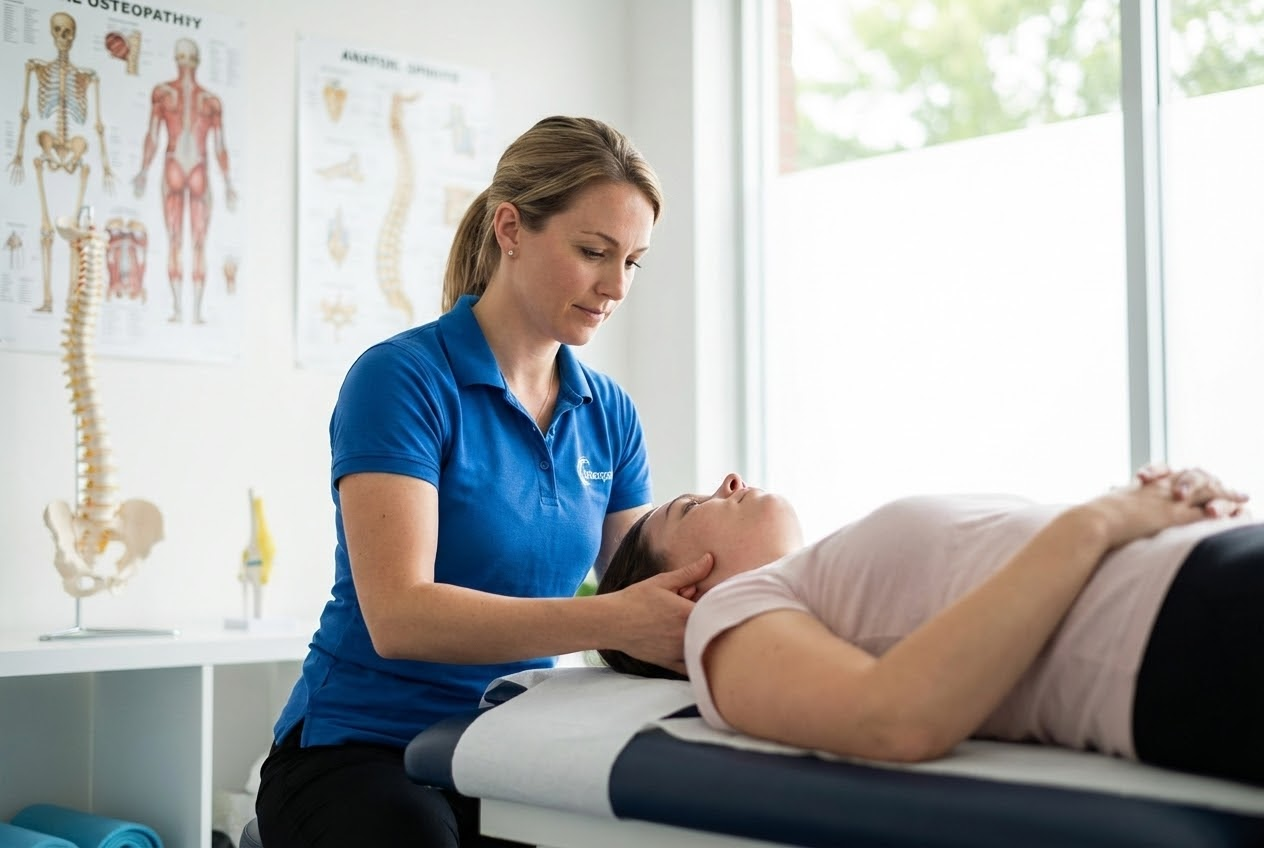
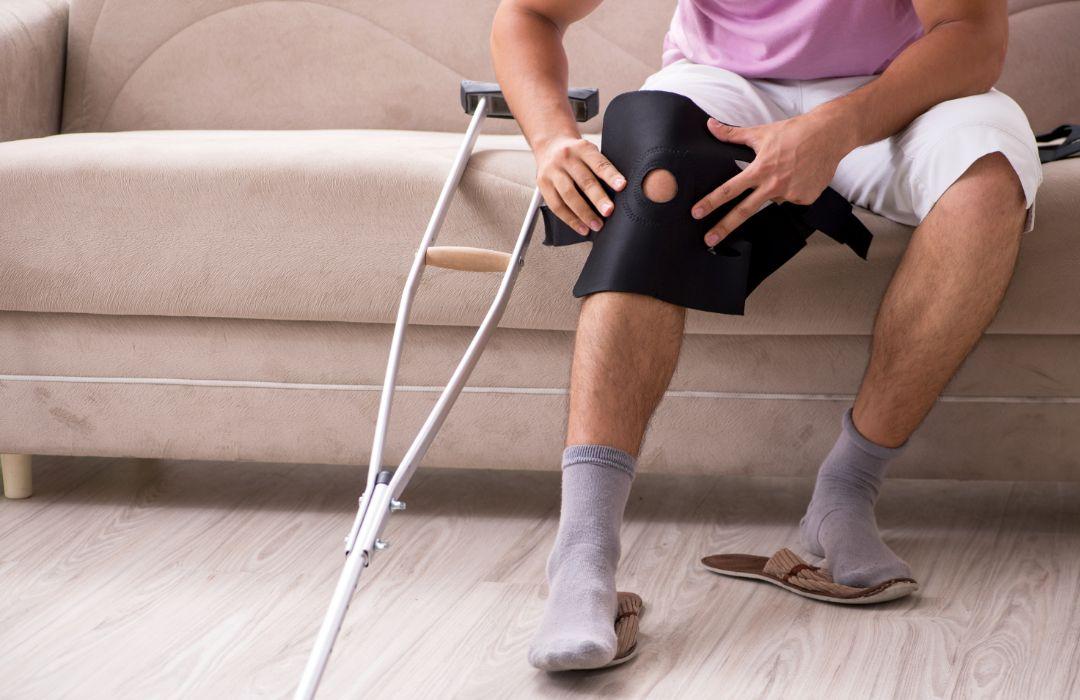
Sports injuries demand prompt, specialised care to ensure not only complete recovery but also long-term physical stability and optimal performance. From ligament tears and stress fractures to muscle strains and joint injuries, the severity and type of injury can vary widely. Choosing the right hospital with advanced facilities, experienced medical teams, and comprehensive rehabilitation programs can significantly influence how effectively and quickly an athlete returns to their sport.
Early intervention, precise diagnosis, and personalised treatment plans are crucial in minimising complications, preventing recurring injuries, and supporting athletes in regaining their confidence and peak performance levels.
1. Specialised Orthopaedic and Sports Medicine Teams
The best sports injury treatment hospitals have dedicated teams of orthopaedic surgeons, sports medicine specialists, and physiotherapists. They manage injuries like ligament tears, dislocations, tendon damage, and complex fractures. By working together as a coordinated unit, these experts ensure effective recovery and help athletes return to their peak performance with confidence.
2. Accurate Diagnosis and Imaging Support
Precise diagnosis is essential in sports injuries. Hospitals with MRI, CT scans, digital X-ray and ultrasound facilities can detect internal damage to bones, muscles and ligaments at an early stage. This helps doctors decide whether surgery, physiotherapy or non-surgical treatment is suitable.
3. Personalised Treatment Plans
Not every injury is the same, and treatment needs change based on the type of sport, age, fitness level and recovery goals. The best hospitals create individual treatment plans after discussing them with the patient. This approach ensures realistic timelines and better commitment to recovery.
4. Skilled Surgical Care
Some injuries need surgery, especially when ligaments or bones are severely damaged. Before listing the features, it is important to understand why surgical quality matters. Key elements of strong surgical care include:
- Experienced orthopaedic and sports injury surgeons
- Minimally invasive procedures such as arthroscopy
- Well-equipped operating theatres
- Strong post-surgery monitoring and wound care
- Early physiotherapy support after surgery
These factors help patients recover faster and reduce the risk of long-term complications.
5. Rehabilitation and Physiotherapy Services
Rehabilitation is vital for regaining strength, balance and movement. Before looking at what it includes, it helps to note that it starts soon after treatment or surgery. Typical rehabilitation support involves:
- Muscle-strengthening exercises
- Joint mobility and flexibility training
- Balance and gait correction
- Posture and movement improvement
- Scheduled progress assessments and injury prevention advice
A structured rehabilitation plan ensures that recovery is safe, steady and long-lasting.
6. Sports-Specific Training and Performance Recovery
General recovery is not enough for athletes. They need to perform at their previous level or better. In such cases, hospitals provide sport-focused training programmes. These programmes may include:
- Agility and coordination drills
- Resistance and endurance training
- Sport-specific movement practice
- Return-to-sport testing and confidence building
Such training prepares athletes both mentally and physically for competitive performance again.
7. Injury Prevention and Education
The best sports injury treatment hospitals not only provide expert care but also educate athletes on preventing future injuries. These hospitals guide patients on effective prevention strategies, such as:
- Proper warm-up and stretching routines
- Muscle conditioning and core strengthening exercises
- Correct use of protective gear during training and play
- Advice on rest, recovery, and avoiding overtraining
By learning and applying these methods, athletes can significantly reduce the risk of recurring injuries and maintain peak performance.
8. Mental Health and Emotional Support
Sports injuries can impact an athlete’s mental and emotional well-being, leading to frustration, anxiety, or fear of reduced performance. Hospitals that offer counselling and psychological support help athletes stay motivated and engaged throughout recovery. Focusing on emotional health alongside physical rehabilitation promotes a positive mindset, enhances treatment outcomes, and aids a safer, more confident return to sport.
9. Emergency and Trauma Readiness
Sports injuries can occur during matches or training without warning. Hospitals with 24-hour emergency services are better prepared to manage such cases. Emergency-ready hospitals often offer:
- Immediate injury stabilisation
- Trauma care units staffed around the clock
- Quick access to surgeons and imaging tests
- Early pain management and swelling control
This rapid response prevents complications and supports faster treatment planning.
10. Clear Communication and Patient Support
Patients and families need clear information throughout the treatment process. A supportive environment helps build trust and cooperation. Hospitals that offer strong patient support usually:
- Explain treatment options in simple language
- Provide realistic timelines for recovery
- Maintain regular follow-up and monitoring
- Ensure clean, safe and supportive surroundings
Such communication improves patient satisfaction and treatment success.
Conclusion
A hospital is truly dependable when it provides expert care, precise diagnosis, effective rehabilitation, and ongoing support. Facilities like BLK Max Super Speciality Hospital combine medical expertise with patient-focused attention, helping athletes recover safely and regain confidence.
Choosing a hospital with these qualities ensures faster recovery, fewer complications, and improved long-term performance.