
A few years ago, most business calls had a predictable path.
The phone rang at the office. Someone at a desk picked it up. If that person wasn’t available, another employee sitting nearby handled it.
Remote work changed that rhythm completely.
Now support teams are scattered across apartments, coworking spaces, cafés, and home offices. Sales reps jump between meetings while working from different cities. Some employees log in early. Others handle customers late at night.
But customers? They still expect somebody to answer when they call.
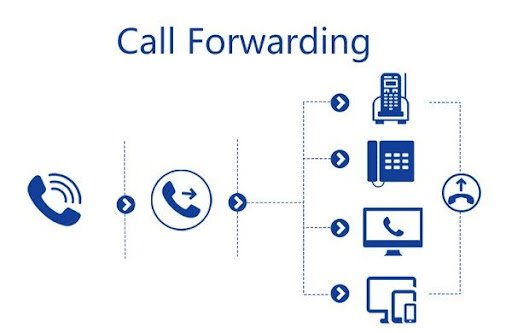
That mismatch is exactly why so many companies quietly rely on a solid call forwarding system now.
Not because it sounds technical. Because remote teams fall apart fast without one.
When Remote Teams Handle Calls Manually, Things Get Messy
I remember speaking with an operations manager from a growing SaaS company that had remote employees working across Gurugram and Pune.
At first, they thought forwarding calls manually would be manageable.
It wasn’t.
Sales inquiries landed on personal phones. Support calls bounced between WhatsApp messages and missed callbacks. Sometimes customers waited hours because employees assumed somebody else had already responded.
Nobody admitted it openly, but internally the system was chaotic.
One customer apparently called three different times in a single afternoon and explained the same issue to three different people. That was the moment the company realized remote communication needed structure, not improvisation.
They later switched to a cloud-based Call Routing System that automatically directed incoming calls based on team availability and department rules.
Small change on paper.
Huge difference in daily operations.
Customers Notice Disorganized Communication Faster Than Companies Think
Most businesses underestimate how quickly customers pick up on confusion.
You can hear it during a call.
Long pauses.
“Hold on, let me transfer you.”
“No, that’s not my department.”
“Can you repeat that again?”
After a while, customers stop trusting the process.
For remote teams, this problem gets worse because employees aren’t physically sitting together. You can’t just turn around and ask a coworker to take over a conversation.
A proper call forwarding system removes a lot of that friction quietly in the background.
Calls reach the right person faster. Teams know who owns what conversation. Customers spend less time repeating themselves.
That consistency matters.
Especially for businesses managing support or sales operations across cities like Mumbai, Hyderabad, and Bengaluru where customer expectations are already high.
Remote Teams Work Different Hours — Calls Need to Adapt
One thing remote companies learn very quickly is that work schedules stop looking uniform.
Some agents prefer early morning shifts.
Others handle late-evening support.
A few work while traveling.
Traditional office phone setups were never designed for that kind of flexibility.
Cloud-based routing changes the situation completely.
If a customer calls after office hours in Delhi NCR, the system can automatically direct that call to an available remote team member somewhere else instead of letting the customer hit voicemail.
Nobody has to manually redirect calls anymore.
The process just works in the background.
And honestly, customers don’t really care where the employee is working from. They care about getting help without unnecessary delays.
Poor Call Handling Exhausts Employees Too
There’s another side to this that companies rarely talk about.
Bad communication systems wear people down.
When remote teams don’t have proper routing in place, employees stay mentally attached to work all day because business calls can arrive anytime.
I’ve seen support staff answer customer calls during dinner simply because they thought nobody else was available.
That kind of setup becomes exhausting after a few months.
One remote support team operating between Gurugram and Hyderabad ran into this exact issue. Their employees were carrying work phones constantly because calls weren’t being distributed properly.
Once they introduced a structured Call Routing System, things changed quickly.
Calls followed schedules.
Escalations reached the correct department automatically.
Employees finally logged off without worrying that customer calls would keep following them into the evening.
Morale improved almost immediately.
What Remote Businesses Actually Need From a Call System
A lot of companies overcomplicate this part.
Remote teams usually just need a few things to work reliably:
- Calls should reach available people quickly
- Customers shouldn’t repeat information multiple times
- Teams should know who handled previous conversations
- Employees need proper work-hour boundaries
- Managers should see missed calls and response patterns easily
That’s it.
When those basics work properly, remote communication feels smoother for everyone involved.
The Companies Handling Remote Communication Well Usually Share One Habit
They stopped treating business calls like office-bound activity.
That shift matters more than people realize.
The strongest remote teams build communication systems around movement. Employees move. Schedules move. Work locations change constantly.
Their phone systems adapt to that reality instead of fighting against it.
And honestly, that’s probably why cloud-based call handling has become such a normal part of remote operations now.
Not because businesses wanted another software tool.
Because remote teams needed a better way to stay reachable without turning every workday into confusion.
For more information, visit: sokaworld.com