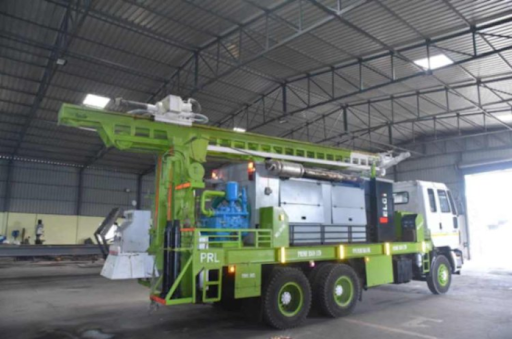
Access to a water source is important for homes, farms and rural communities. Where supplies are limited, drilling a well can provide a practical solution. Choosing a portable water well drilling machine for sale requires attention to ground conditions, required depth, available space and workload. Suitable equipment helps organise drilling and manage operating costs.
Portable drilling equipment is designed to move between work locations and be set up without the arrangements needed for larger rigs. Its compact structure can be useful on farms, remote properties and sites with restricted access. However, portability should not be the only deciding factor. Buyers should consider drilling capacity, power source, stability and compatibility with tools.
Important Features to Evaluate
Compare specifications with the demands of the intended work. An assessment helps ensure that the machine suits the project.
- Drilling depth and diameter: Check the maximum depth and bore diameter supported. These should match project requirements and local ground conditions.
- Power and performance: Review engine or motor capacity, fuel requirements and efficiency. Consistent power supports steady drilling.
- Mobility and setup: Consider dimensions, weight, transport arrangements and assembly time.
- Construction quality: Strong frames, dependable components and accessible service points improve durability and simplify maintenance.
- Operator safety: Check safety features and ensure trained personnel follow the manufacturer’s instructions.
Matching Equipment to Site Conditions
Soil and rock conditions vary by location. Loose soil, clay, gravel and hard rock may require different drilling methods, bits and settings. Before purchasing a portable water well drilling machine for sale, gather site information and consult experienced drilling professionals where necessary. This helps avoid equipment that cannot handle expected conditions.
Water well projects also require attention to access, drainage and safe handling of drilling fluids or cuttings. Follow local regulations and arrange required permissions. A site assessment can identify buried utilities, nearby structures and uneven ground, supporting safer setup.
Benefits of a Portable Rig
For contractors and property owners working in different locations, a portable water well drilling rig can offer flexibility. Easier transportation may reduce the effort needed to reach remote sites, while a compact design can simplify movement through narrow access routes. It may suit smaller projects where a full-sized rig is difficult to position.
To maintain operation, users should:
- Inspect hoses, connections and moving parts before each operation.
- Follow service intervals and replace worn components promptly.
- Use drilling tools suited to ground conditions.
- Keep the work area clear and provide stable support.
- Train operators in setup, controls, shutdown and emergency procedures.
Maintenance and Long-Term Value
Routine maintenance supports equipment performance. Cleaning the machine, checking fluid levels and inspecting essential components can identify problems early. Buyers should ask about spare parts, technical support, warranty coverage and service availability. These factors influence ownership costs alongside the purchase price. A carefully selected portable water well drilling rig can support consistent work when operated within its rated capacity and maintained correctly. Keep service records and address unusual noise, vibration or reduced performance promptly. Good practices can extend equipment life and limit downtime.
Conclusion
A dependable supplier should provide clear specifications, product guidance and assistance before and after purchase. Compare options, check included accessories and confirm delivery arrangements. Ask about installation, operator training and maintenance support. Prime Rigs offers drilling equipment solutions for buyers seeking machinery for water well projects. Explore the range and discuss your site requirements with the team to identify a suitable option.